
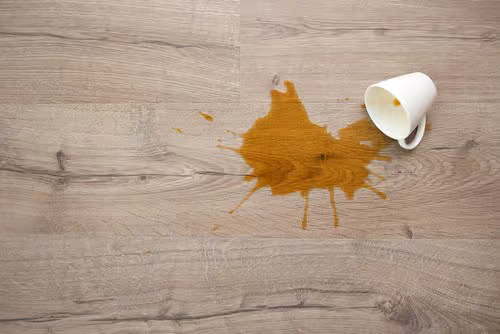
Common types of stains on laminate flooring
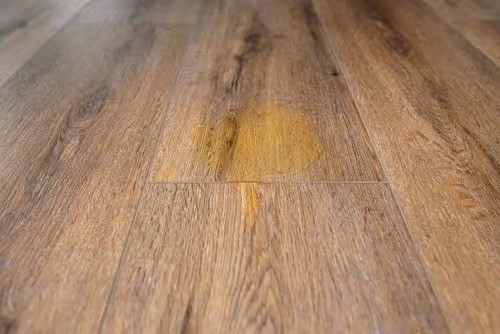
Food, drink, ink, pet accidents, etc. Common stains on laminate flooring include:
Food and drink stains: Spills of milk, juice, wine, and coffee;Ink and marker stains: Marks left by ballpoint pens and permanent markers;Pet stains: Accidents involving urine, feces, and vomit;
Grease and oil stains: From cooking oil, butter, and cosmetics;Rust and mineral stains: Often caused by metal objects and water deposits.
General Tips for Caring for Laminate Flooring
Regular Cleaning
Regular cleaning helps prevent stains from settling and keeps your laminate flooring looking its best. Daily sweeping or vacuuming removes dirt and debris, while weekly damp mopping with a pH-neutral detergent helps maintain the floor's finish.
Protective Measures
Place rugs in high-traffic areas and place entryway mats at doorways to trap dust and moisture. Use furniture pads to prevent scratches and reduce the risk of stains from furniture movement.
Act Immediately on Spills
Clean up spills immediately to prevent liquid from seeping into seams or damaging the wear layer. Prompt cleaning helps maintain the integrity and appearance of your floor.
Stain Removal Tools and Supplies
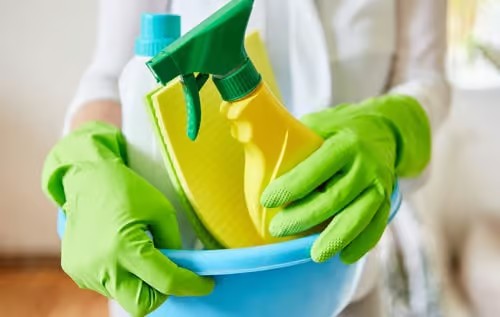
Basic Cleaning Tools
Use a microfiber cloth for gentle, effective cleaning. A mop and bucket are essential for applying and rinsing the cleaner.
Specialized Stain Removal Supplies
pH-neutral cleaners are safe for laminate flooring. Acetone and rubbing alcohol can remove tougher stains, but use caution to avoid damaging the floor.
Safety Equipment
Wear gloves to protect your hands from chemicals. Ensure good ventilation or wear a mask to avoid breathing in cleaning product fumes.
Treating Common Stains on Laminate Flooring
Food and Beverage Stains
Blot and Absorb: Use a dry cloth to blot up the spill as much as possible.
Use a Mild Cleaner: Apply a mild detergent solution, then rinse with water.
Use Acetone to Remove Stubborn Stains: For stubborn stains, use a small amount of acetone and wipe clean.
Ink and Marker Stains
Apply Rubbing Alcohol: Use a cloth dampened with rubbing alcohol and gently rub the stain.
Use a Baking Soda Paste: Mix baking soda and water into a paste, apply to the stain, and then wipe clean.
Avoid Abrasive Cleaners: Do not use abrasive cleaners that can scratch the surface.
Pet Stains
Blot and Clean Fresh Stains: Immediately blot the stain with a dry cloth and wash with a mild detergent.
Neutralize Odors: Use a vinegar solution or commercial deodorizer to eliminate odors.
Treating Old or Stubborn Stains: For stubborn stains, use a vinegar and water mixture, let it sit, and then clean thoroughly. Grease and Oil Stains
Absorb Excess Grease: Use paper towels to absorb as much grease as possible.
Apply a Dishwashing Soap Solution: Apply a dishwashing soap solution to break down any oil residue.
Use Cornstarch or Baking Soda: Sprinkle cornstarch or baking soda to absorb any remaining grease, then vacuum it away.
Rust and Mineral Stains
Use Lemon Juice and Salt: Apply a mixture of lemon juice and salt to the stain, let it sit, then gently scrub.
Apply White Vinegar: Use white vinegar to dissolve mineral deposits, then rinse and wipe dry.
A step-by-step guide to removing food and drink stains
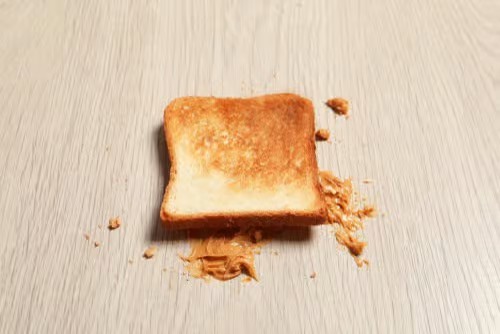
Blot up spills quickly to prevent them from spreading and seeping into the seams. Use a clean, dry cloth to absorb as much liquid as possible.
Apply a mild detergent solution to the stain and gently scrub. Rinse with clean water and dry thoroughly.
For stubborn stains, use a cotton ball or cloth dampened with acetone. Avoid prolonged contact to avoid damaging the laminate flooring.
Removing Ink and Marker Stains from Laminate Flooring
Dampen a cloth with rubbing alcohol and gently rub the ink or marker stain until it disappears. Rinse with water and wipe dry.
Mix baking soda and water into a paste and apply it to the stain. Let it sit for a few minutes. Then wipe it clean with a damp cloth.
Do not use abrasive cleaners or tools that could scratch the laminate flooring surface. Always use a gentle cleaning method.
Treating Pet Stains on Laminate Flooring
Blot new stains with a dry cloth to remove any moisture. Clean the stained area with a mild detergent solution and rinse thoroughly.
Neutralize pet odors with a vinegar and water solution or a commercial deodorizer designed for laminate flooring.
For older stains, apply a vinegar and water solution, let it sit for a while, then gently scrub. Rinse and dry the stained area to remove any residue.
Tips for Removing Grease Stains
Before cleaning, blot as much of the grease as possible with paper towels. Apply a dish soap solution to the stain and gently scrub. Rinse and dry thoroughly.
Sprinkle cornstarch or baking soda on the stain to absorb any remaining grease, then vacuum it up.
Treating Rust and Mineral Stains on Laminate Flooring
Apply a mixture of lemon juice and salt to rust or mineral stains, let it sit, then gently scrub to remove the stain.
Apply white vinegar to the stain to dissolve mineral deposits. Rinse and dry the area to prevent any buildup.
Prevent future stains
Regularly inspect laminate flooring for scratches and wear. Clean and repair minor damage to prevent stains from settling.
Gently rub minor scratches with a soft cloth to restore the floor's appearance. Use a laminate flooring refinishing kit in a color that matches the flooring's color and effectively fills deeper scratches.
Use a crayon that matches the laminate color to blend out scratches for a seamless look.
Apply sealant for an added layer of protection against stains and spills. Use floor protectors and mats under furniture to prevent stains and scratches from movement.
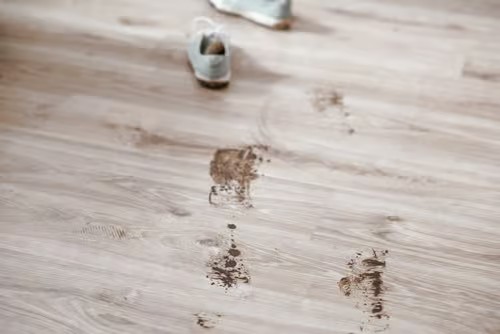
Encourage a no-shoes policy to minimize the transfer of dirt and potential stains onto the laminate floor.
Long-term Care and Maintenance
Develop a daily cleaning schedule with daily sweeping, weekly mopping, and a pH-neutral cleaner to maintain laminate flooring.
Use only recommended laminate flooring cleaning products. Avoid harsh chemicals that may damage the surface. Inspect the floor regularly and address any stains promptly to prevent permanent damage.
Related Posts
Online Message
GET IN TOUCH