
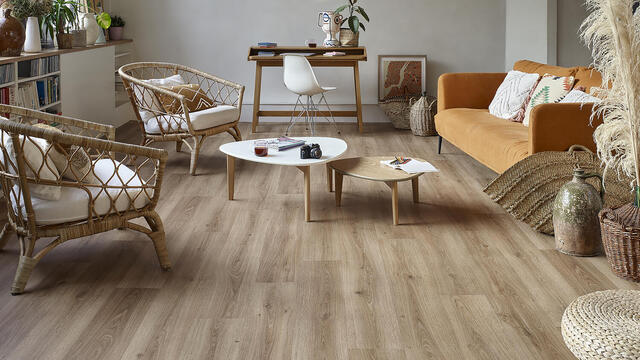
Vinyl flooring is a product composed of several layers of different materials sandwiched together to form a highly durable, practical and affordable floor covering. The two main types of vinyl flooring are Luxury Vinyl Tiles (LVT) and vinyl roll. Both LVT and vinyl roll are made from the same materials, however, they're constructed differently to produce different effects.
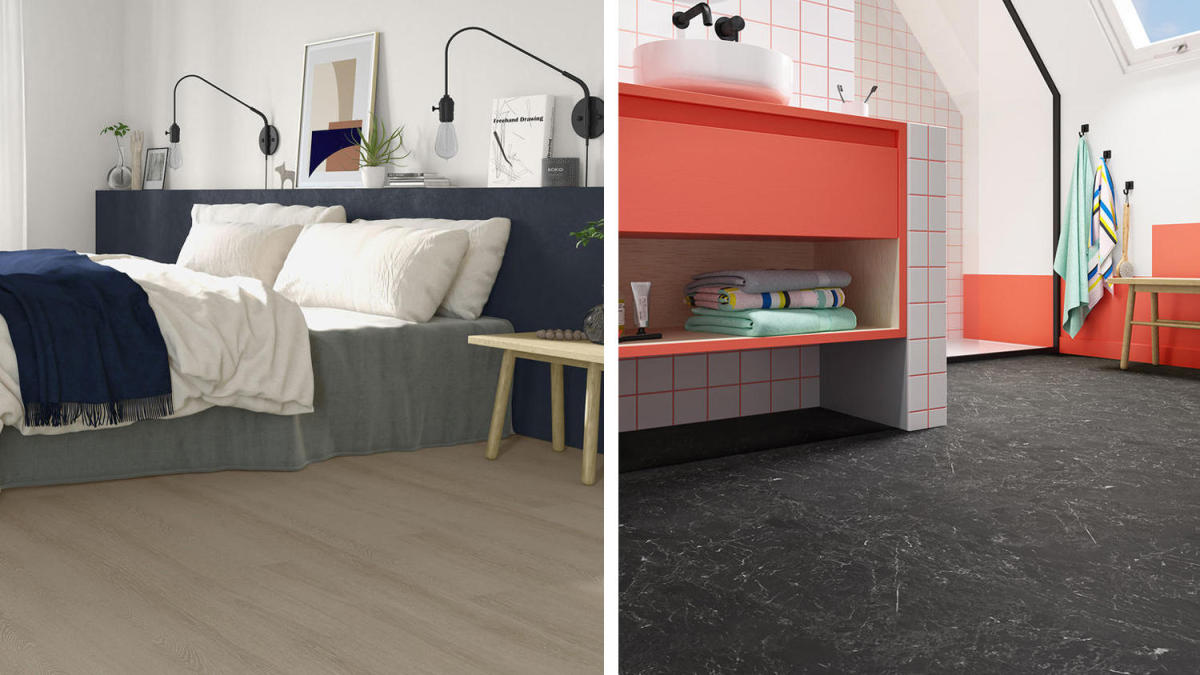
What are the different types of vinyl?
Vinyl flooring refers to both vinyl roll flooring, also known as vinyl sheet flooring, and to luxury vinyl tiles (LVT).
Luxury Vinyl Tile(LVT)
LVT is a type of vinyl flooring that is designed to imitate natural flooring options such as hardwood and ceramic tile. Thanks to technological advances and enhanced design capability, vinyl floors can now look and feel nearly identical to the products they’re mimicking. LVT comes in a large variety of timeless and trendy designs, in either tile or plank formats to imitate the look of tiles or wooden planks. It also comes in either rigid or flexible tiles and planks. The modular format of LVT makes it easy and fast to install, a major advantage when renovating a home or a room. Indeed, with LVT, no need to upset the daily routine for too long by closing off one or several rooms. Renovating with LVT can be done with the furniture still in the room.
Vinyl Roll
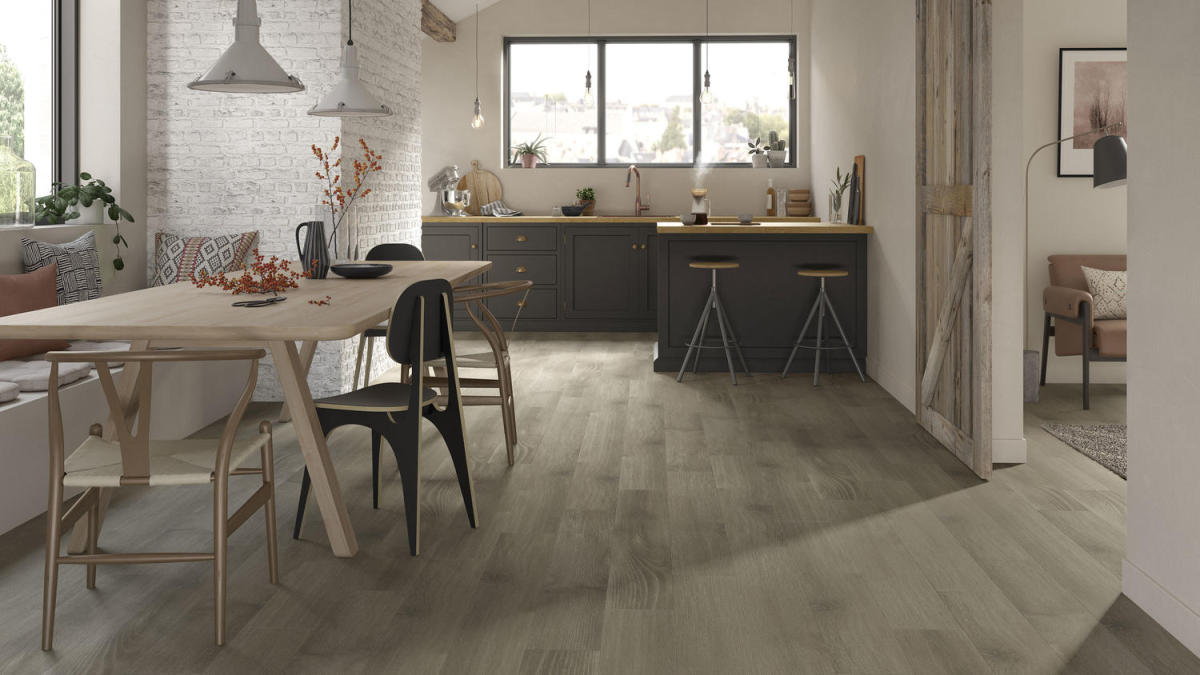
Vinyl roll is fibreglass-cushion-backed flooring that comes in large, continuous, flexible sheets, and is available in an almost limitless number of styles, from timeless and realistic to more playful designs. Vinyl rolls are also one of the most affordable flooring solutions for homeowners. Also, Vinyl rolls are 100% phthalate-free and have low VOC and formaldehyde emissions, and UK allergy certified, which contribute to healthier indoor environments.
How durable is vinyl flooring
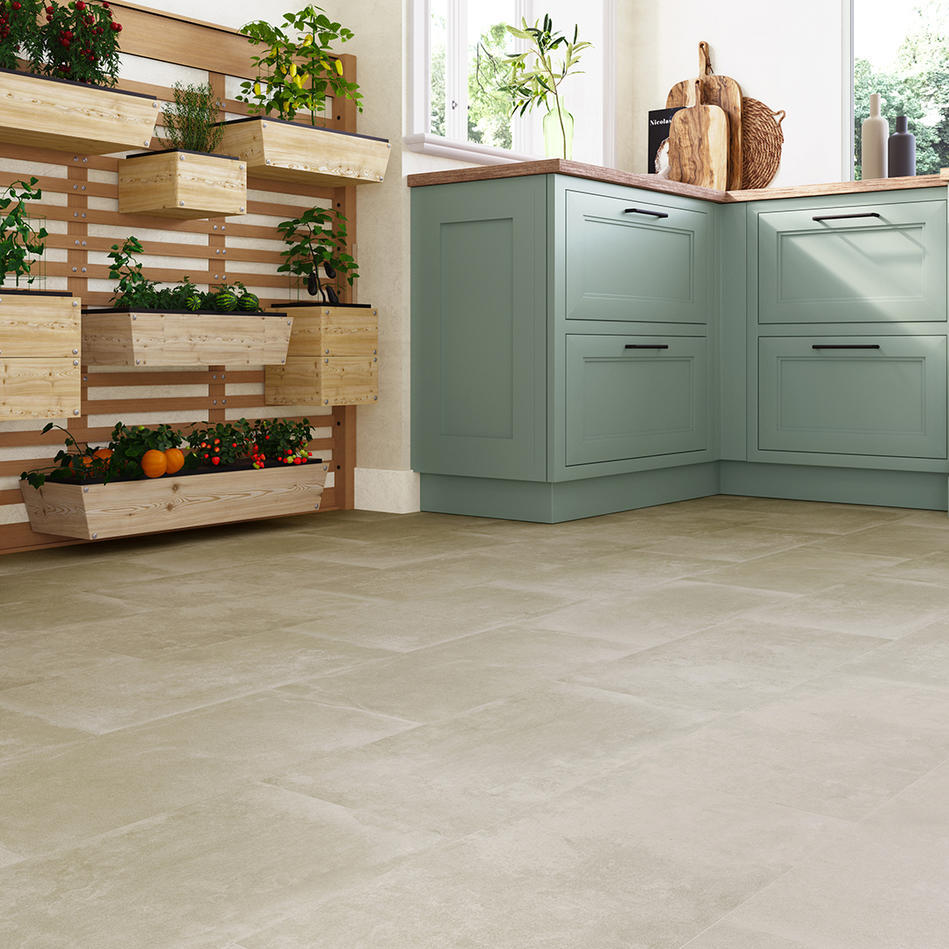
Vinyl flooring is generally considered to be a highly durable material. There are, however, important factors that determine how well your floor lasts over time. For instance, the quality of the material, how it was manufactured, and how well it was installed, will all impact the durability and life expectancy of your vinyl flooring.
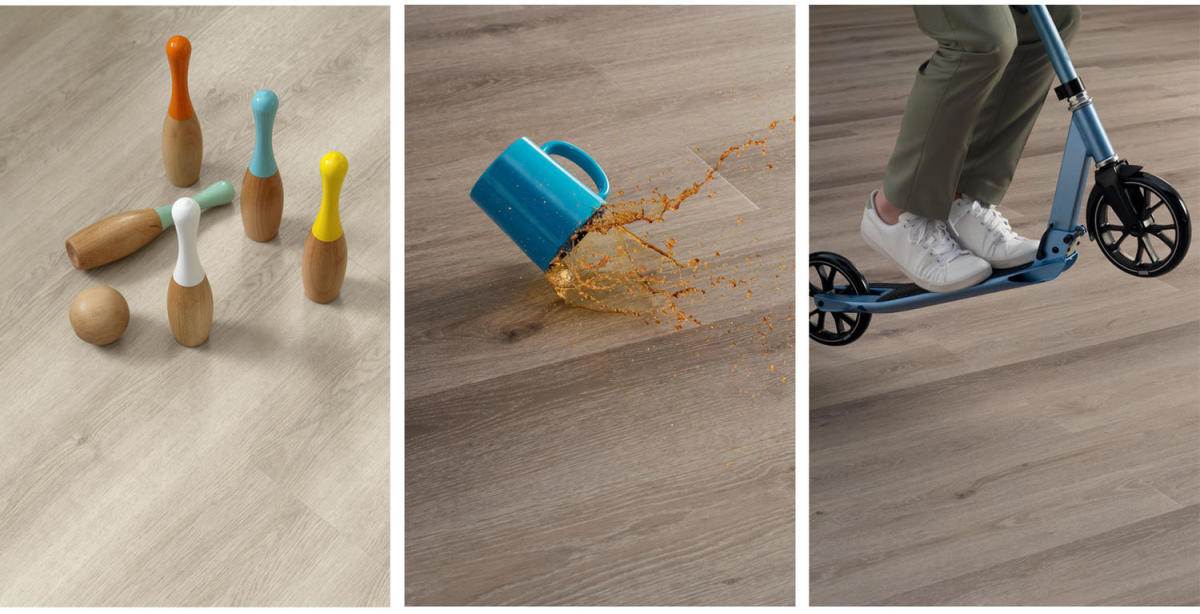
All vinyl floors, both our LVT and vinyl roll ranges, are treated with a special PUR surface treatment, which provides extreme protection and makes them even more durable and resistant to scratches or stains. They also have a transparent wear layer, which provides additional durability. Our Rigid LVT also has an enhanced rigid core construction, providing extra resistance and excellent dimensional stability. As a result, it won't ripple or swell, and there won't be any expansion or contraction of the floor over time. The product will hold its shape and size against moisture or temperature variations. Water, cold or heat, won’t alter Rigid LVT’s appearance. In fact, its top coat is so durable it helps protect it against all kinds of damage. Also, it’s a great flooring option for high traffic areas and for anyone looking for a high quality but low maintenance floor.
What are the advantages and disadvantages of vinyl flooring?
The advantage and disadvantages of vinyl flooring vary significantly depending on the type and quality of the product you choose.
The well-known advantages of vinyl flooring are many. It’s comfortable and quiet underfoot, resistant to damage and moisture, easy to install and maintain, affordable, and available in a large number of colours and designs. Also, vinyl floors are a sustainable flooring solution as is strongly committed to the responsible use of PVC. Where possible, we also use materials that are both recycled, recyclable, with as low an environmental impact as possible to produce our vinyl rolls. On top, all our plants use 100% green energy.
On the downside, vinyl flooring can be difficult to remove if it’s glued down, it can dent with heavy objects on top of it, and it can be punctured with very sharp objects. Another disadvantage of vinyl flooring is its inability to support very high temperatures and a tendency to show fading and discolouration with excessive UV exposure. For these reasons, vinyl is generally not recommended in rooms with exposure to too much direct sunlight, such as verandas.
However, new technologies mean that vinyl flooring continues to evolve in both its design and construction, with some products now able to counter the disadvantages mentioned above. is made with an extra dense, rigid composite core that can shrug off spills in the kitchen and bathroom, temperature variations in the veranda, and the continuous battering of busy family life. And our vinyl rolls have exceptional lightfastness values making them highly resistant to fading when exposed to light.
How do you install vinyl flooring
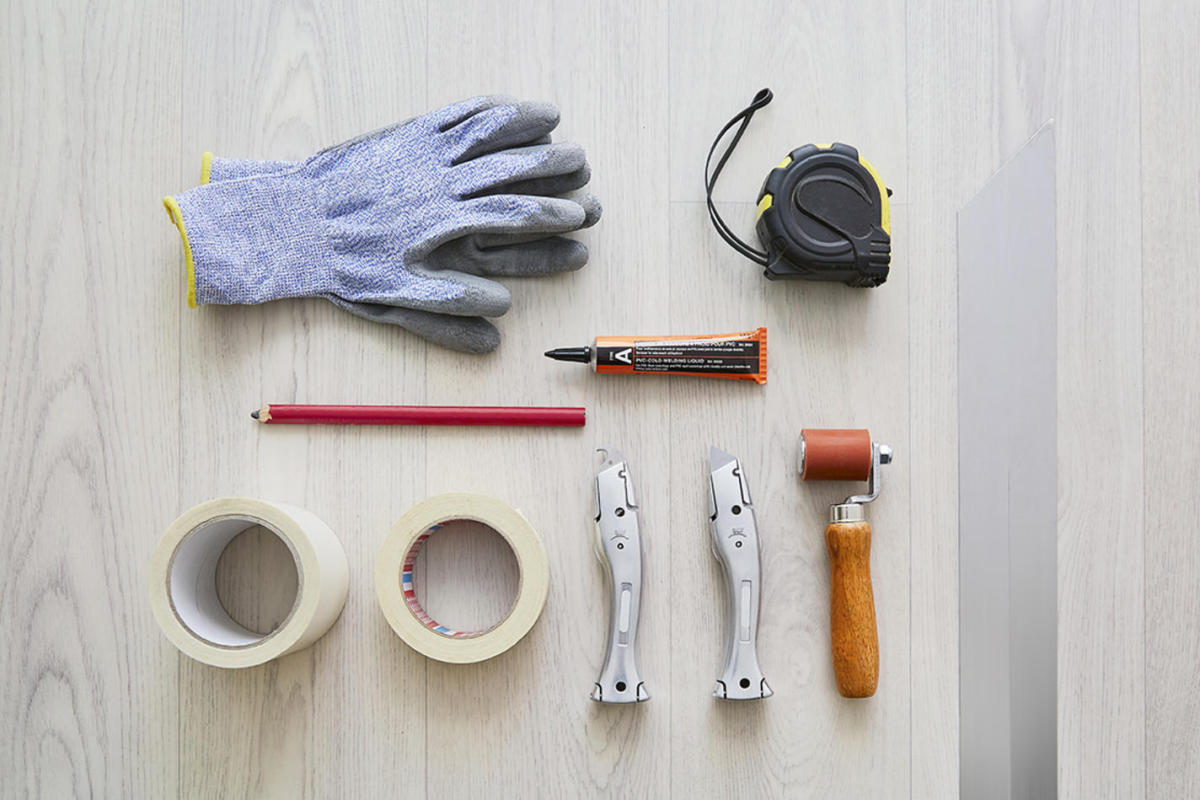
Vinyl flooring is so easy to install that you can have a whole new look to any room in your home in just one weekend. Exactly how to install your vinyl floor depends on the type of product you choose. And in the case of vinyl roll flooring, we recommend loose-lay installation up to 50m2, therefore, a knife and double-sided tape is all you need.
How do you clean and maintain vinyl flooring
Vinyl floors are not only stylish and simple to install; they're also easy to clean and maintain, making your life easy and your home hygienic. all our vinyl flooring is coated with special surface treatment, making it even more resistant to scratches or stains and even easier to clean and maintain.
Can you use vinyl flooring in any room in your home?
Yes. Due to its water-resistance, durability, and ease of installation and maintenance, vinyl flooring can be installed in any room in your home.
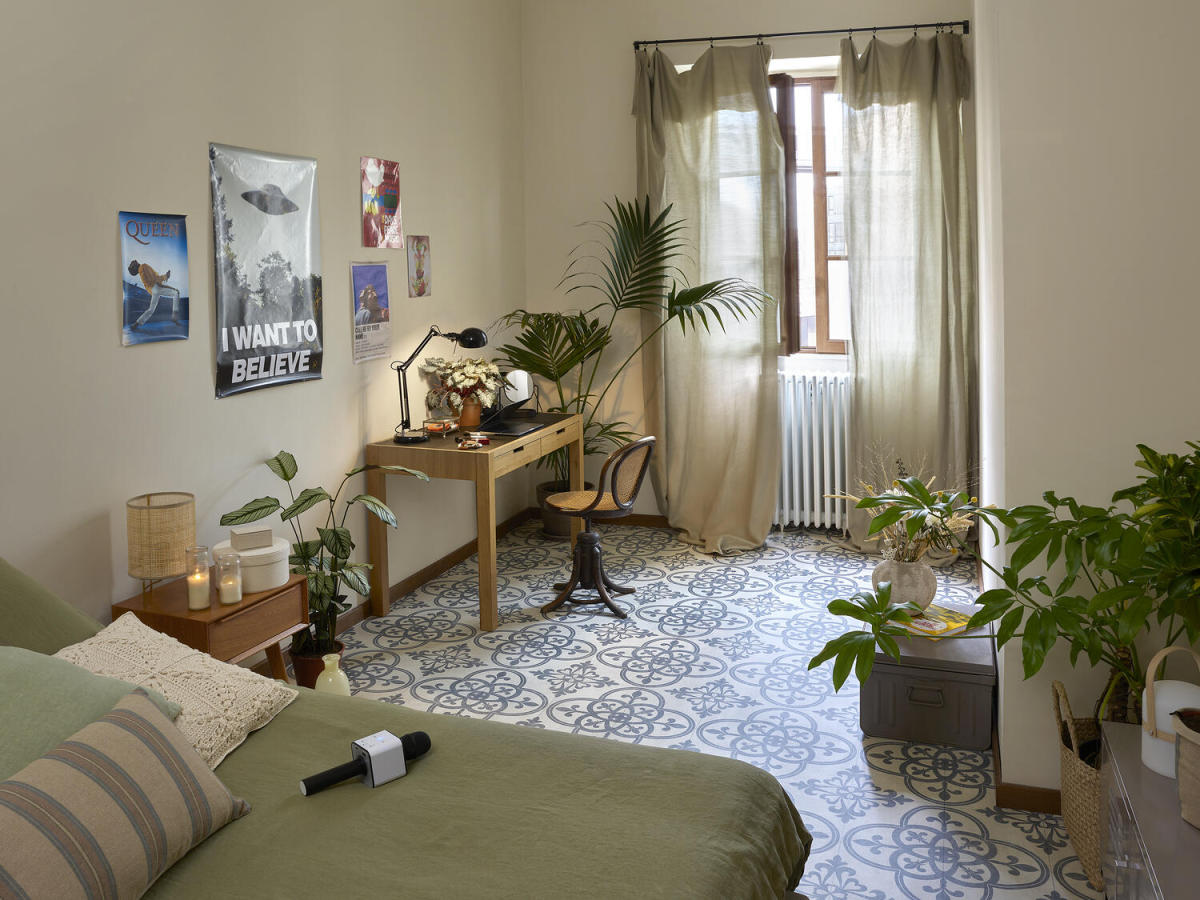
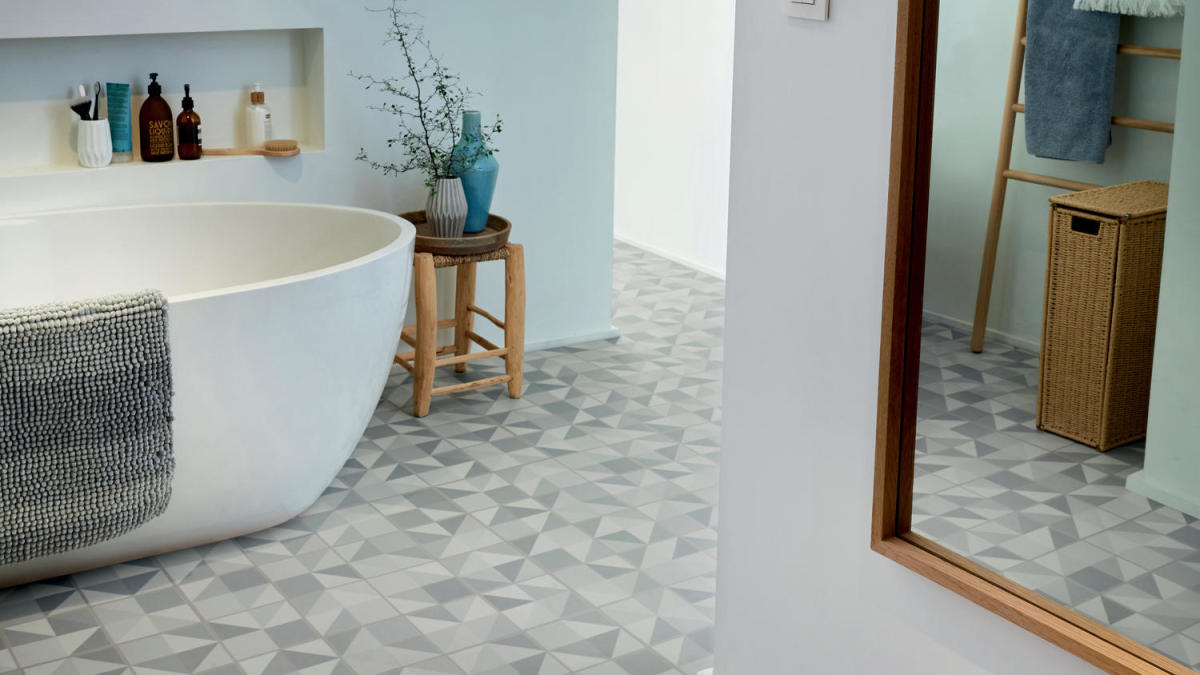
Its water-resistance and durability make it a particularly good choice for bathrooms and kitchens. However, vinyl flooring is also a popular option for other rooms in the home, including living rooms and bedrooms.
What are the different styles of vinyl flooring?
Water-resistance, durability, and ease of installation and maintenance are some of vinyl's popular selling points. Today, however, vinyl’s popularity is also due to the growing range of design, pattern and texture options available, and its ability to almost perfectly reproduce the look of natural materials such as hardwood and stone.
Both LVT and vinyl roll are available in a wide variety of designs and styles. One of the key differences, however, is that vinyl roll offers an almost limitless range of design and colour options. LVT, on the other hand, offers a variety of designs and styles that focus mostly on reproducing the look and feel of natural materials such as wood and stone.
What is the difference between LVT and laminate flooring?
Both LVT and laminate are considered to be affordable alternatives to real hardwood flooring. They’re also more durable and relatively easy to install and maintain compared to hardwood. However, there are still a few differences between the two products themselves.
The first difference between both products is the sound insulation of the floor: both LVT and Laminate can be installed with an acoustic underlay to improve sound absorption, with an additional cost, but Rigid LVT (Starfloor Click Ultimate) comes with an integrated acoustic backing that significantly reduces sounds in a room.
An important difference between both products is vinyl’s ability to stand up against water. LVT is composed primarily of PVC, which is 100% waterproof compared to laminate flooring, which is made primarily of wood products. LVT’s moisture resistance means that it can be installed in any room in the home, including wet rooms such as the bathroom and laundry, which isn’t the case for laminate.
Another key difference is that both LVT and laminate offer a click installation option that allows easy installation without the need for glue or nails. However, where only a basic utility knife is needed to cut most vinyl products, laminate requires a hand saw or circular saw to cut each piece.
Related Posts
Online Message
GET IN TOUCH